Electronic Brake-Force Distribution (EBD) is one of the important braking technologies that helps make modern vehicles significantly safer than cars from previous decades. Toyota's EBD system is designed to optimize braking force between the front, rear, left, and right wheels depending on vehicle load and driving conditions.
Simply put, EBD is a subset feature of the Anti-Lock Brake System (ABS). It helps compensate for shifting weight during braking and reduces brake pressure on wheels carrying less load — helping drivers maintain better control of the vehicle in situations where traditional braking systems would fall short.

What Is Toyota Electronic Brake-Force Distribution (EBD)?
Electronic Brake-Force Distribution is a braking technology that automatically adjusts how much braking force is applied to each individual wheel.
When you brake, the vehicle's weight shifts forward — putting more load on the front wheels and less on the rear. If all four wheels received equal braking force in that moment, the lightly loaded rear wheels could lock up and cause the vehicle to skid or fishtail. EBD prevents this by dynamically distributing braking force across all four wheels based on actual weight distribution at that instant.
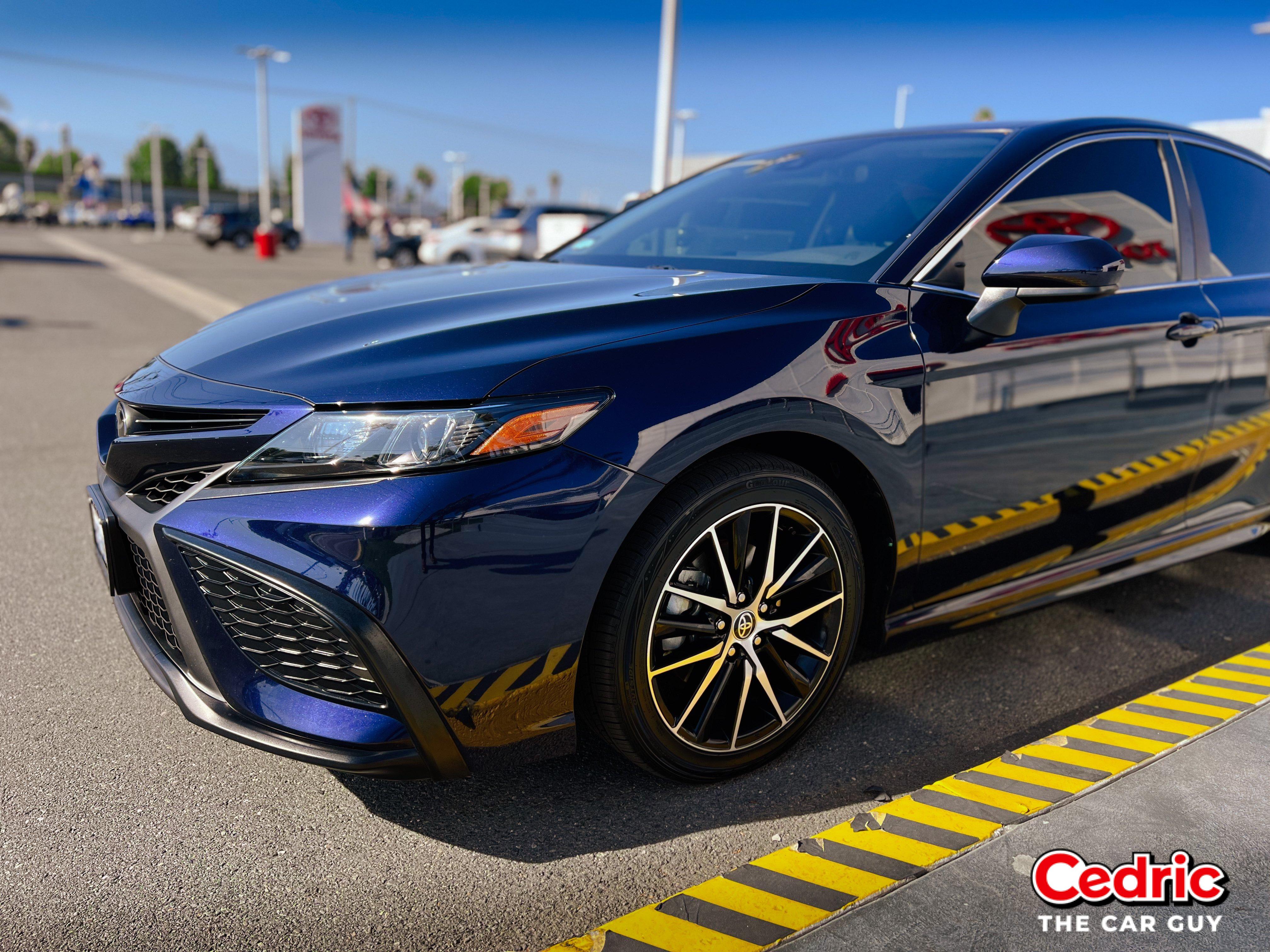
How Electronic Brake-Force Distribution (EBD) Works
Traditional braking systems apply equal pressure to all wheels regardless of load. EBD improves on this by constantly monitoring wheel speed, vehicle load, and weight transfer in real time. The system uses four key components:
- Wheel speed sensors
- ABS sensors
- Electronic Control Unit (ECU)
- Brake pressure sensors
During braking, the system monitors each wheel's speed, detects weight shift — front to rear and side to side — and adjusts brake pressure independently to each wheel based on what that wheel needs. Throughout the process, it works in tandem with ABS to prevent any wheel from locking up. The result is a vehicle that stays planted and tracks straight rather than pulling, skidding, or losing directional control.
Most people think stopping power is just about how strong the brakes are — but braking stability is just as important. EBD helps keep the vehicle balanced when braking, especially when loaded with passengers, cargo, or when braking mid-turn. You may never consciously notice it working, but it's constantly keeping you in control every time you press that pedal.
When talking about EBD on test drives, I always liked to demonstrate it rather than just explain it. On the way back to the dealership — when we were clear of traffic — I'd tell the customer to speed up a little. Then I'd count down: 3, 2, 1 — and tell them to slam on the brakes like it was a real emergency. Really hammer it.
After the car stopped and we got moving again, I'd ask them: did you notice how the car didn't pull to the left? Didn't pull to the right? It just stopped straight — exactly the direction you were pointing. Every single time, the answer was yes. And then I'd explain: that's Electronic Brake-Force Distribution. It's controlling each brake independently so that no matter how hard you hit them, the car stays pointed where you intended.
I could see it register on people's faces. It gave them real peace of mind — knowing the car would behave predictably in the worst possible moment. That's the kind of thing that makes someone feel confident moving forward with a Toyota.
Benefits of Electronic Brake-Force Distribution (EBD)
- Enhanced Safety — Ensures the correct amount of braking force reaches each wheel based on actual load and conditions, reducing the risk of skidding or losing control.
- Reduced Wheel Lock-Up — Working alongside ABS, EBD helps prevent rear wheel lock-up during sudden hard stops.
- Improved Brake Performance — Proper force distribution across all four wheels can reduce stopping distance in emergency situations.
- Vehicle Stability During Braking — Keeps the vehicle balanced when braking mid-corner or when carrying heavy loads.
- Even Brake Wear — Properly distributed braking force means brake components wear more evenly, potentially extending overall brake life.
- Adaptable Performance — Automatically adapts to wet roads, uneven weight distribution, or sudden direction changes.
- Driver Confidence — Knowing EBD and ABS are working together gives drivers greater confidence in emergency braking situations.

Get the Car Buying Secrets Guide — Free
Before you buy your next Toyota or any other vehicle, make sure you understand how the buying process actually works from the inside. Free PDF, instant download.
Download Free PDF →EBD Is Part of the Toyota Star Safety System
Electronic Brake-Force Distribution is one of six interconnected features in Toyota's Star Safety System:
- Anti-Lock Brake System (ABS) — Prevents wheels from locking during hard braking so steering control is maintained.
- Electronic Brake-Force Distribution (EBD) — Adjusts braking force to each wheel based on load and weight transfer.
- Brake Assist (BA) — Detects panic braking and increases pressure to help stop faster.
- Smart Stop Technology (SST) — Reduces engine power when brake and accelerator are simultaneously pressed.
- Traction Control (TRAC) — Prevents wheel spin during acceleration on slippery surfaces.
- Vehicle Stability Control (VSC) — Helps keep the vehicle on its intended path during cornering or sudden maneuvers.
The Car Buying Secrets Book — $19
Know your features, know your leverage. 25 years of dealer insider knowledge on how to evaluate any vehicle and walk out of the dealership with the right deal.
Get the Book — $19 →Recap of Electronic Brake-Force Distribution
Toyota's Electronic Brake-Force Distribution system improves braking safety by automatically adjusting braking force to each wheel based on vehicle load and driving conditions. It works together with ABS and the rest of the Toyota Star Safety System to help maintain vehicle stability and control during braking — in everyday driving and in emergencies alike.

Frequently Asked Questions
What is Electronic Brake-Force Distribution in a car?
Electronic Brake-Force Distribution is a braking system that automatically adjusts braking force between the front, rear, left, and right wheels based on vehicle load and braking conditions — keeping the vehicle stable and preventing rear wheel lock-up during hard stops.
How does Electronic Brake-Force Distribution work?
EBD uses wheel speed sensors and the vehicle's ECU to determine how much braking force each wheel needs at any given moment, then adjusts brake pressure to each wheel independently. It constantly monitors weight transfer and driving conditions in real time.
What does Electronic Brake-Force Distribution assist with?
EBD helps maintain vehicle stability, reduces wheel lock-up, improves overall braking performance, and distributes braking force properly across all wheels. It's especially helpful when braking with passengers or cargo on board, or when braking during a turn.
What is the Electronic Brake-Force Distribution warning light?
The EBD warning light may flash briefly at vehicle startup as part of a normal system check. If the light remains on while driving, it may indicate a system issue — have the vehicle inspected by your Toyota dealer as soon as possible.
What is the difference between EBD and ABS?
ABS prevents wheels from locking up during hard braking by rapidly pulsing brake pressure so the driver maintains steering control. EBD distributes braking force to each wheel for stability and proper load management. They're separate systems that work together — ABS handles wheel lock, EBD handles force balance.