Toyota vehicles are known for reliability and longevity — but like any vehicle, they still require proper maintenance and care to reach their potential. With regular service, good driving habits, and consistent record keeping, your Toyota can last well over 200,000 miles, and in many cases well past 300,000.
The key is consistency. Staying on top of small maintenance items before they become expensive problems is what separates a Toyota that lasts a decade from one that lasts three.
This is part of why I sell Toyotas — and it goes back to one of my first cars. In 1997 I bought an '88 Nissan Maxima for three thousand dollars. I'd walked all summer to save that money. Thirty days after I bought it, it blew up on me. I never drove it again. No disrespect to that car or to Nissan — whoever owned it before me probably didn't take care of it. But that experience stuck with me.
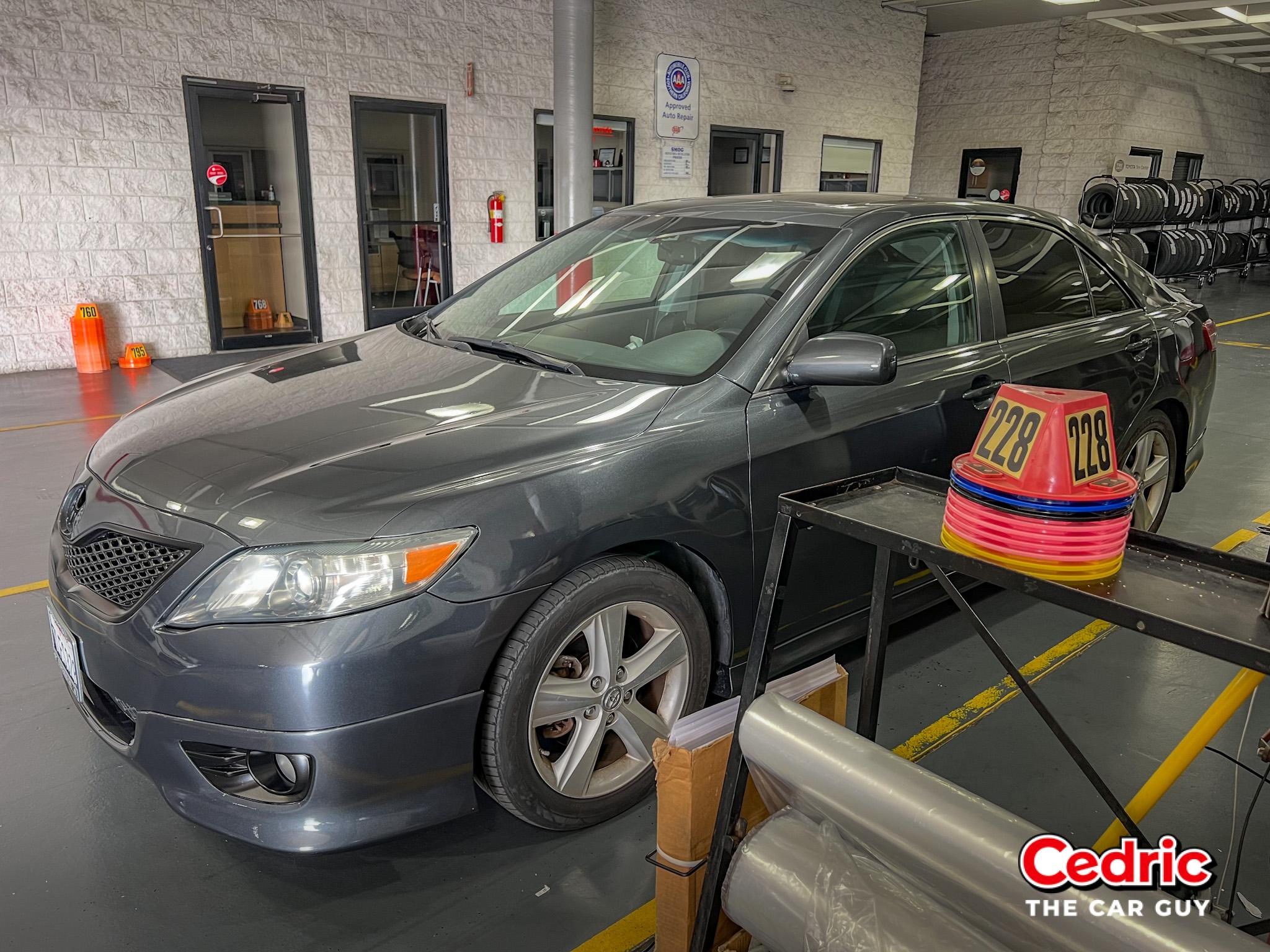
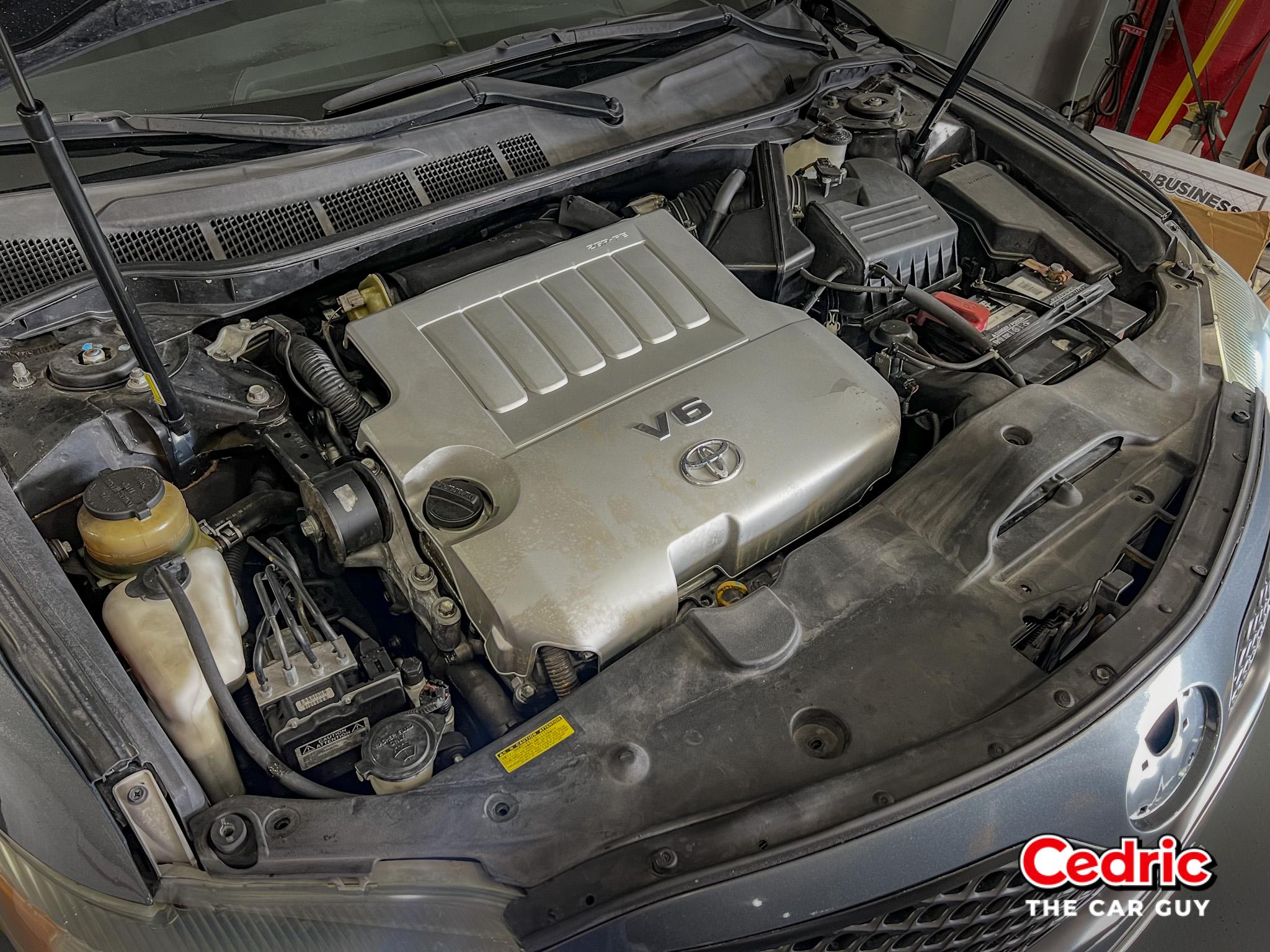
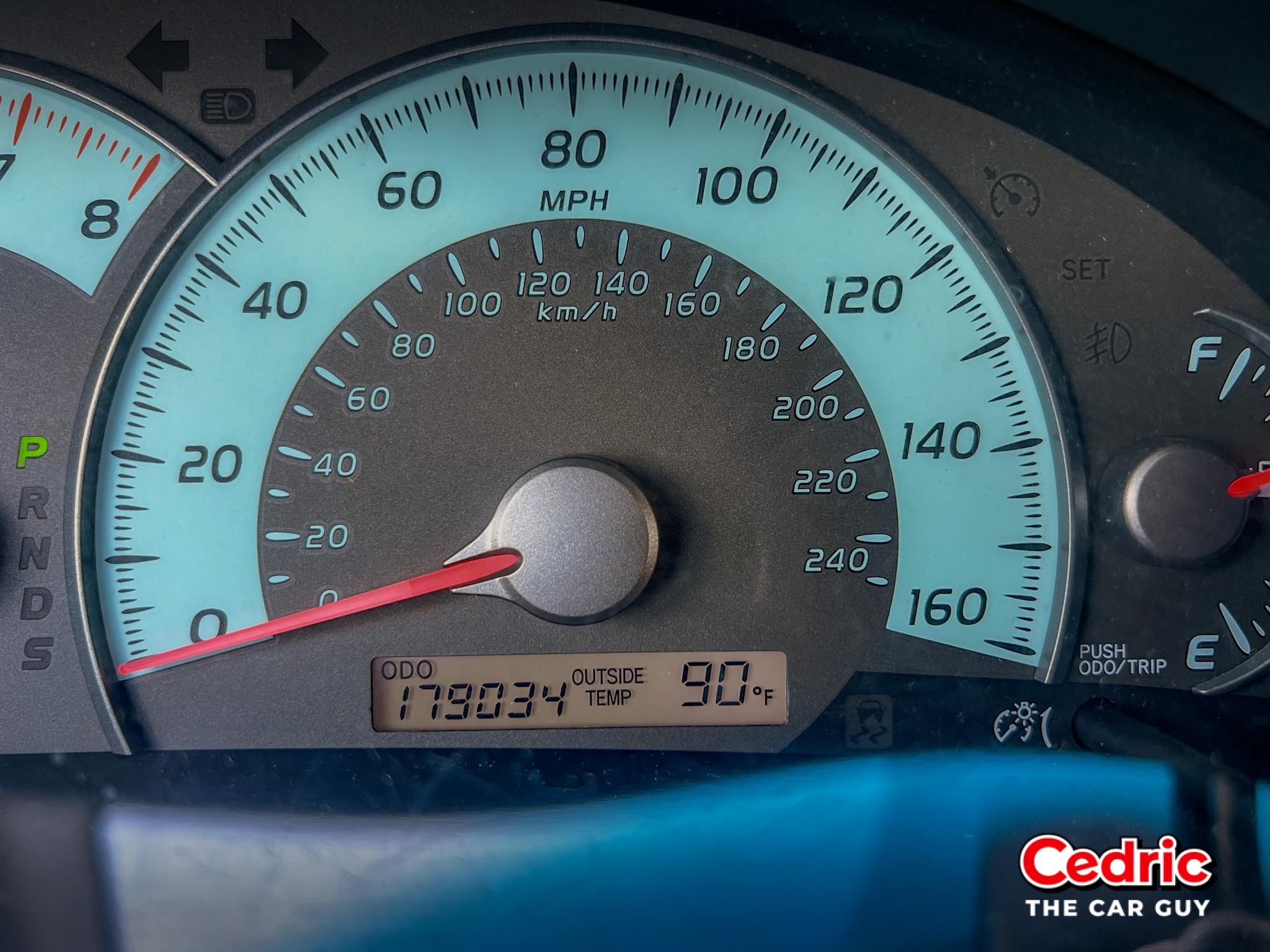
Being in the car business, I saw which vehicles came back to the lot with high miles and were still running strong, and which ones didn't. Toyota and Honda consistently showed up that way. So when it came time to choose what I was going to drive myself, I bought a 2011 Camry with the V6. I do the basic maintenance — nothing crazy — and that car has been Old Faithful ever since. Hasn't let me down.
The difference between a car that dies at 80,000 miles and one that runs past 300,000 isn't the brand alone. It's whether the owner took care of it. Toyota gives you a vehicle that's built to last. Maintenance is how you actually get there.
If you want your Toyota to reach 200,000 or 300,000 miles, the most important thing you can do is follow the maintenance schedule and change your oil regularly. An oil change costs a fraction of what engine repairs cost. Maintenance is always cheaper than repairs — every single time. The vehicles that last are the ones that got taken care of consistently.
Importance of Regular Maintenance
Regular maintenance is the single most important factor in making any vehicle last. Simple items — oil changes, tire rotations, brake inspections, fluid checks — keep the vehicle running properly and prevent small issues from becoming major failures.
Consistent maintenance helps:
- Keep the engine running at full performance
- Prevent major mechanical failures
- Improve fuel economy
- Extend tire life
- Maintain braking performance
- Improve safety
- Protect resale value
Following Toyota's recommended maintenance schedule — available in your owner's manual or through Toyota's connected services — is one of the highest-return things you can do for the long-term life of your vehicle.
Basic Maintenance Schedule to Follow
Here is a simplified maintenance schedule to help extend the life of your Toyota:
| Interval | Service |
| Every 5,000 miles | Tire rotation, fluid inspection, brake inspection, multi-point inspection |
| Every 10,000 miles | Oil change (full synthetic on most Toyota vehicles) |
| Every 15,000–30,000 miles | Engine air filter replacement, cabin air filter replacement |
| Every 30,000–60,000 miles | Brake fluid inspection/replacement, transmission fluid inspection, coolant inspection |
| Every 100,000 miles | Spark plugs (engine dependent), coolant replacement, drive belt inspection |
Get the Car Buying Secrets Guide — Free
Before you step into any Toyota dealership, make sure you understand how the buying process works from the inside. Free PDF, instant download.
Download Free PDF →Practical Steps to Track and Perform Maintenance
Read Your Owner's Manual
Your owner's manual contains the maintenance schedule and all recommended service intervals specific to your vehicle. Find your Toyota's owner's manual at toyota.com/owners/warranty-owners-manuals.
Set Maintenance Reminders
Use your phone calendar to set recurring reminders at key mileage or time intervals so service appointments don't get overlooked.
Create a Maintenance Log
Keep a notebook or digital record of all services performed — date, mileage, and what was done. This protects resale value and gives any mechanic a clear picture of the vehicle's history.
Use Toyota App and Connected Services
The Toyota App and Service Connect track maintenance schedules, vehicle health reports, and service history — reminders come to you automatically so nothing slips through.
Perform Basic Monthly Checks
A quick monthly check takes five minutes and catches issues early. Check: engine oil level, tire pressure, brake fluid, coolant level, all exterior lights and signals, and windshield washer fluid.
Visit a Trusted Mechanic or Toyota Dealer
Professional inspections catch developing problems before they become expensive. A dealership service advisor or trusted independent mechanic is a long-term investment in the vehicle.
Keep All Service Records
Every receipt, every invoice, every oil change sticker. Service history is documentation that protects both the vehicle's mechanical life and its resale value.
How Recalls and Service Campaigns Help Your Toyota Last Longer
Toyota issues recalls to fix safety issues or mechanical problems at no cost to the owner. Addressing recalls promptly is one of the simplest and most overlooked ways to keep a vehicle reliable long-term.
- Safety First — Recalls fix safety-related problems before they cause failures or accidents.
- Free Repairs — All recall repairs are completed at no cost to the owner.
- Dealership Service — Recall work is performed at authorized Toyota dealerships using proper parts and procedures.
- Service History — Recall repairs become part of the vehicle's permanent service record.
- Stay Informed — Check your vehicle's recall status at toyota.com/recall or through the NHTSA website.
Other Tips to Make Your Toyota Last Longer
- Change oil on schedule — don't push it
- Rotate tires every 5,000 miles
- Check tire pressure monthly
- Keep all fluids topped off
- Replace filters on schedule
- Fix small problems early — before they compound
- Wash and wax the vehicle regularly to protect the exterior
- Keep the interior clean to protect trim and upholstery
- Avoid aggressive driving, especially when the engine is cold
- Allow the engine to warm briefly before hard acceleration
- Address any warning lights promptly
- Respond to recalls immediately
The Car Buying Secrets Book — $19
Know your features, know your leverage. 25 years of dealer insider knowledge on how to evaluate any vehicle and walk out of the dealership with the right deal.
Get the Book — $19 →Recap of How to Make Your Toyota Last Longer
Making your Toyota last comes down to regular maintenance, good records, addressing small issues early, and following the manufacturer's schedule. With proper care, many Toyota vehicles reach 200,000 miles without major issues — and quite a few go well past 300,000. The vehicles that make it that far aren't special. They just got taken care of consistently.
Consistency is the whole game.
Frequently Asked Questions
How often should I change my Toyota's oil?
Most newer Toyota vehicles recommend oil changes every 10,000 miles with full synthetic oil. Changing at 5,000-mile intervals is also common and adds an extra margin of protection for the engine over time.
Why is tire rotation important?
Tires wear unevenly based on their position on the vehicle. Rotating them every 5,000 miles distributes wear evenly across all four tires — extending their life and keeping handling balanced.
How often should I replace air filters?
Engine air filters typically need replacement every 15,000–30,000 miles. Cabin air filters should be replaced about once a year, or more frequently if you drive in dusty conditions.
Why is coolant important?
Coolant prevents the engine from overheating and contains corrosion inhibitors that protect internal engine components. Old or degraded coolant loses its protective properties and can cause significant engine damage over time.
Should I use genuine Toyota parts?
Yes. Genuine Toyota parts are engineered specifically for your vehicle and maintain the performance, fit, and reliability the vehicle was designed for.
How often should I inspect my brakes?
Brake condition should be checked at least every 5,000 miles — which aligns with Toyota's recommended tire rotation interval. Most service centers inspect brakes during each tire rotation.
Does keeping service records matter?
Yes. Complete service records document the vehicle's maintenance history, support warranty claims, and meaningfully protect resale value. A vehicle with documented service history commands more buyer confidence and typically a higher price.
Can a Toyota really last 300,000 miles?
Yes. With consistent maintenance and attentive ownership, many Toyota vehicles reach 300,000 miles and beyond. The Camry, Tacoma, Tundra, Corolla, and 4Runner all have well-documented histories of extreme longevity when properly maintained.