Hey there! If you're looking to buy a used car, I've got some advice to help you make the right choice. I've been in the car business for 25 years, and I've seen many people walk away with the perfect car — and some who didn't. Whether it's a Toyota or another brand, there are some key things to know before you walk into a dealership. So, let's dive in!
- Distinguishing Between New and Pre-Owned Vehicles
- Do Your Homework: Research Models and Prices
- Understanding Dealership Pricing and Discounts
- Identifying High-Quality Used Cars
- Buyer Beware: Cheap Isn't Always Better
- Understanding the Buyer's Guide
- Vehicle Status Types at a Dealership
- Certified Pre-Owned vs. Used Vehicles
- The Importance of a Vehicle History Report
- Taking the Final Steps
- Frequently Asked Questions

Distinguishing Between New and Pre-Owned Vehicles
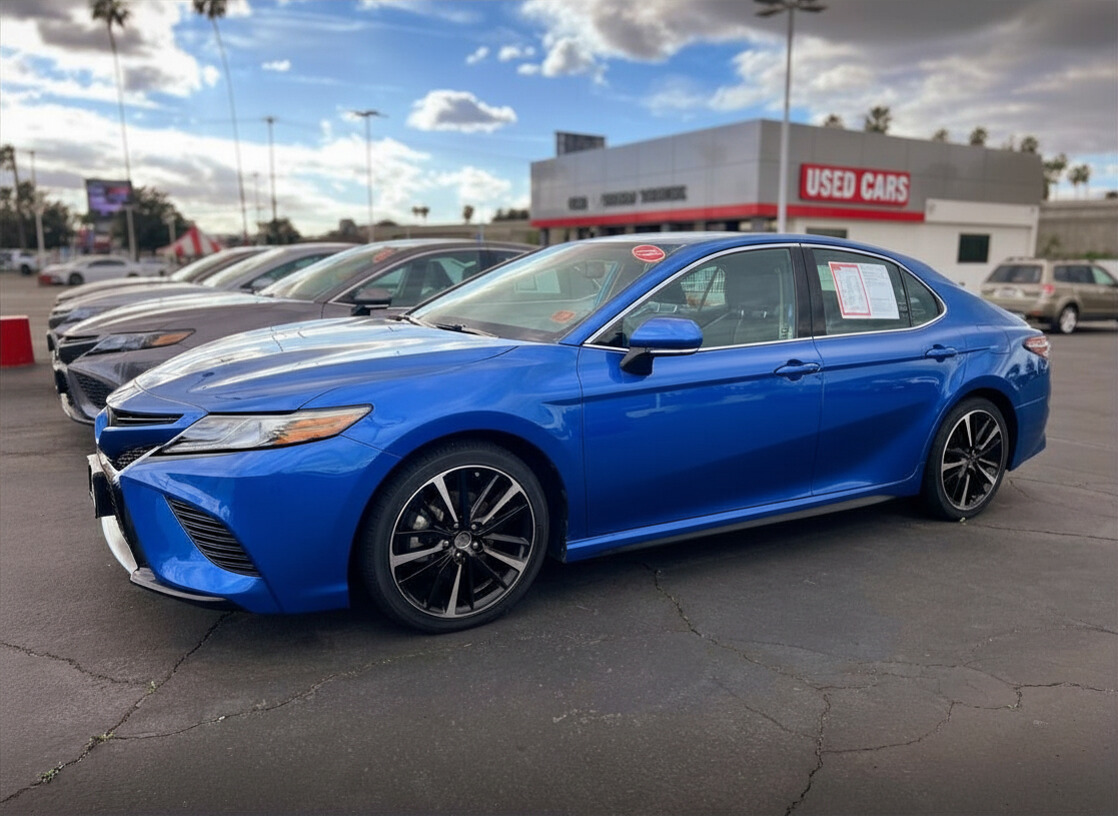
First, when you roll into a dealership, you'll notice that the new and used cars are usually grouped separately. That's by design — and in California, it's the law. Salespeople are required to make it obvious which cars are brand new and which are pre-owned, so no one's misled.
As a salesperson, I always want to be upfront with prospective buyers — let them know right away whether a vehicle is new or used, so we don't waste hours with each other and end up with no deal. Typically, you'll see new cars parked together by model — Corollas next to Corollas, Camrys next to Camrys — while used cars are arranged by type: sedans with sedans, SUVs with SUVs, trucks with trucks. So if you're browsing pre-owned, you'll know exactly where to go.
Do Your Homework: Research Models and Prices
Before you even think about stepping into a dealership, do a little research. Have a list of cars you're interested in, and get a feel for what they're going for based on the year and mileage. This way, you'll know whether a deal is too good to be true or if the price is about right.
Some dealerships might not have prices posted on their used cars, giving the sales team flexibility in quoting you. But here's the thing: just because they drop the price during negotiations doesn't mean you're getting a killer deal. You might feel like you're winning — but wouldn't it be even better if you didn't have to negotiate and just paid $2,000 less from the get-go?
If you want to know the best ways to research your next vehicle purchase, check out how to outsmart a car salesman like me. I'll give you the full blueprint of what to expect before you visit your next dealership.
Understanding Dealership Pricing and Discounts
In today's market, you might notice that used car prices are pretty close across the board. With online advertising and more competition between dealerships, prices have gotten tighter — leaving less room for deep discounts. So while it's always worth trying to negotiate, keep in mind that you might not see the huge price drops you used to.
That said, if you come across a vehicle in excellent condition, the dealer's probably not going to budge much on price. If a car looks great and drives amazingly, it's considered prime merchandise. Dealers know someone will buy it sooner or later, so they're in no rush to drop the price.

Get the Car Buying Secrets Guide — Free
The insider playbook every used car buyer needs before stepping onto a lot. Pricing tactics, negotiation traps, finance office red flags — all in one free PDF.
Download Free PDF →Identifying High-Quality Used Cars
Now, if you find a car in excellent shape that ticks all your boxes but is priced a bit higher than you expected — don't write it off just yet. Go home, do some more research, and compare it with similar models. If it's the best option out there, don't be afraid to pay a little more to get the right car. Trust me, you'll be happier in the long run.
The biggest mistake I've seen people make is going for the cheapest option and thinking they're getting a better deal. You might save a grand or two upfront, but if that car doesn't hold up, you'll be right back in the market in no time. It's better to invest in the right car now than to regret it later. Take the time to find the exact vehicle you actually want — not the closest available option at the lowest price.
I've seen too many people not truly scratch that itch of getting the "right vehicle" — just to be back in the market a year or two later, sometimes even sooner. But the real problem is the depreciation the car will have lost in that period, which is a rude awakening for most people.
The biggest mistake buyers make? Chasing the lowest price instead of the right vehicle. A cheap car can cost you more in repairs, stress, and depreciation within the first year. Compare condition first, price second. Look at maintenance history and ownership. Ask yourself: "Will this car still make sense 2–3 years from now?" The right car holds value. The wrong car drains your wallet.
I once had a customer bring her boyfriend in — he was looking to upgrade his truck. He said he always wanted a Tundra, but about four months prior he'd been at another dealership just looking around, and the salesman talked him into buying a different American-made pickup. I'll let you guess the brand. It was a nice truck, and he liked it. The main problem? The monthly payment. He felt like he should have just gotten exactly what he wanted — the loaded Tundra — and he would have felt better about making that payment every month.
Now he was looking to trade in the truck for the Tundra. But since he'd just purchased it, he had to account for the sudden depreciation — which would drastically affect the new payment. He'd have to absorb the negative equity, tax, license fees, and the difference in payments to go from a base-model truck to a well-equipped Tundra Limited.
The bottom line: I always advise getting the exact vehicle you want, or staying out of the market until you can. Because after that 4th or 5th payment, the novelty wears off — and at least you'll be paying on the exact vehicle you wanted. The last thing you want is to come back into the market carrying negative equity. That is definitely a losing game.
Buyer Beware: Cheap Isn't Always Better
Like I said, avoid falling into the trap of thinking the lowest price means you're getting a bargain. I've had customers try to save a little cash only to come back a year later because the "better deal" wasn't such a deal after all. If you're going to drive this car for the next 5+ years — or if you're a daily commuter — getting the right vehicle matters way more than saving a few hundred bucks upfront.
Think long term. The right car holds its value, costs less to maintain, and keeps you out of the dealership shopping cycle. The wrong car puts you right back in the market — usually with negative equity dragging you down. And remember: once you sign that contract and drive off the lot, there is no cooling off period. You own it. Getting the decision right before you sign is the only protection you have.
Understanding the Buyer's Guide
One thing you'll always want to look for is the Buyer's Guide. It should be attached to the window or inside the car — on the dashboard or seat. It's a document that gives you key info about the vehicle: make, model, year, VIN, and stock number.
More importantly, it tells you whether the car is sold "AS IS" or if there's a warranty. If the "AS IS" box is checked, that means once you drive it off the lot, it's your responsibility — end of story. No warranty, no recourse. And if a salesperson tells you verbally "don't worry, we'll take care of you if anything comes up" — that means absolutely nothing. Verbal promises from car salespeople are not binding. What's written in the Buyer's Guide is what governs the deal.
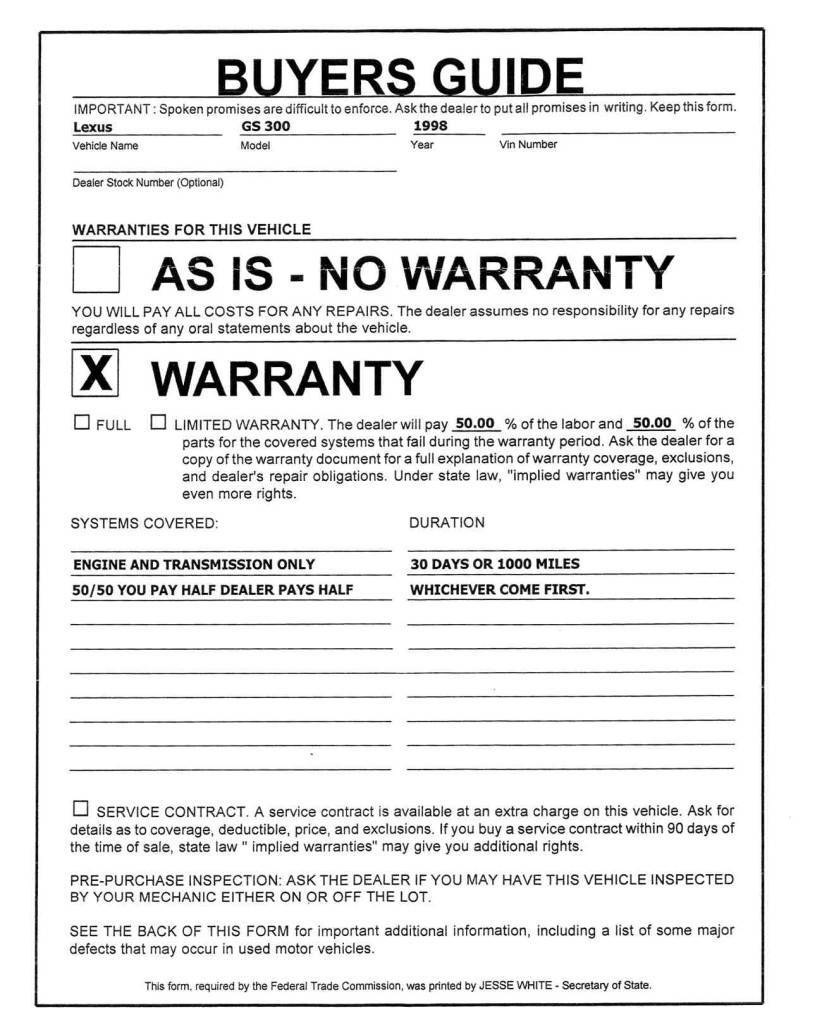
If there is a warranty, read the fine print carefully. The Buyer's Guide will tell you if it's a full or limited warranty and what parts of the car are covered. Most of the time, warranties cover the powertrain — engine, transmission, and sometimes wheel axles. Check the percentage of parts and labor covered, especially if you're not planning to buy an extended warranty.
Vehicle Status Types at a Dealership
You might hear a few terms thrown around when it comes to used cars. Here's what they mean:
- Unwind — A car that was sold but had to be returned, usually due to financing issues.
- Demo — A vehicle driven by dealership management with fewer than 5,000 miles. Still considered new, and the warranty starts when you buy it.
- Brass Hat — Cars previously driven by manufacturer reps that end up on dealership lots.
- Trade-In — Generally well-maintained vehicles, sometimes originally purchased at the same dealership.
- Previous Rental — Regularly serviced, but driven by many different people. I'm personally not a fan of these.
Certified Pre-Owned vs. Used Vehicles
What's the difference between Certified Pre-Owned (CPO) and a regular used car? Only the manufacturer can certify its own brand — you won't find a certified Toyota at a Honda dealership. Certified vehicles go through rigorous inspections, usually 140 points or more, to ensure they meet high standards.
CPO cars come with factory-backed warranties — think 12-month/12,000-mile comprehensive coverage or powertrain warranties up to 100,000 miles. You might also get extras like roadside assistance or better financing rates. CPO cars cost more, but you're paying for peace of mind and a vehicle that's been properly vetted.
The Car Buying Secrets Book — $19
25 years of dealer insider knowledge — how they price, how they negotiate, and how to beat them at their own game. Less than a tank of gas for a strategy that saves you thousands.
Get the Book — $19 →The Importance of a Vehicle History Report
Always get a vehicle history report — this is non-negotiable. Double-check that the VIN on the report matches the actual car. Read through it carefully and look for red flags: inconsistent maintenance records, multiple previous owners, or accident history. This VIN verification discipline is the same one you should apply when getting price quotes — always confirm the specific unit you're discussing is exactly the one being sold to you.
If the car has been sitting on the lot for a while, there might be a reason — a bad smell, cosmetic damage, or something that showed up in the inspection. Or it could just be waiting for the right buyer. Either way, take it for a test drive and see if it fits your needs before making any decisions.
Taking the Final Steps
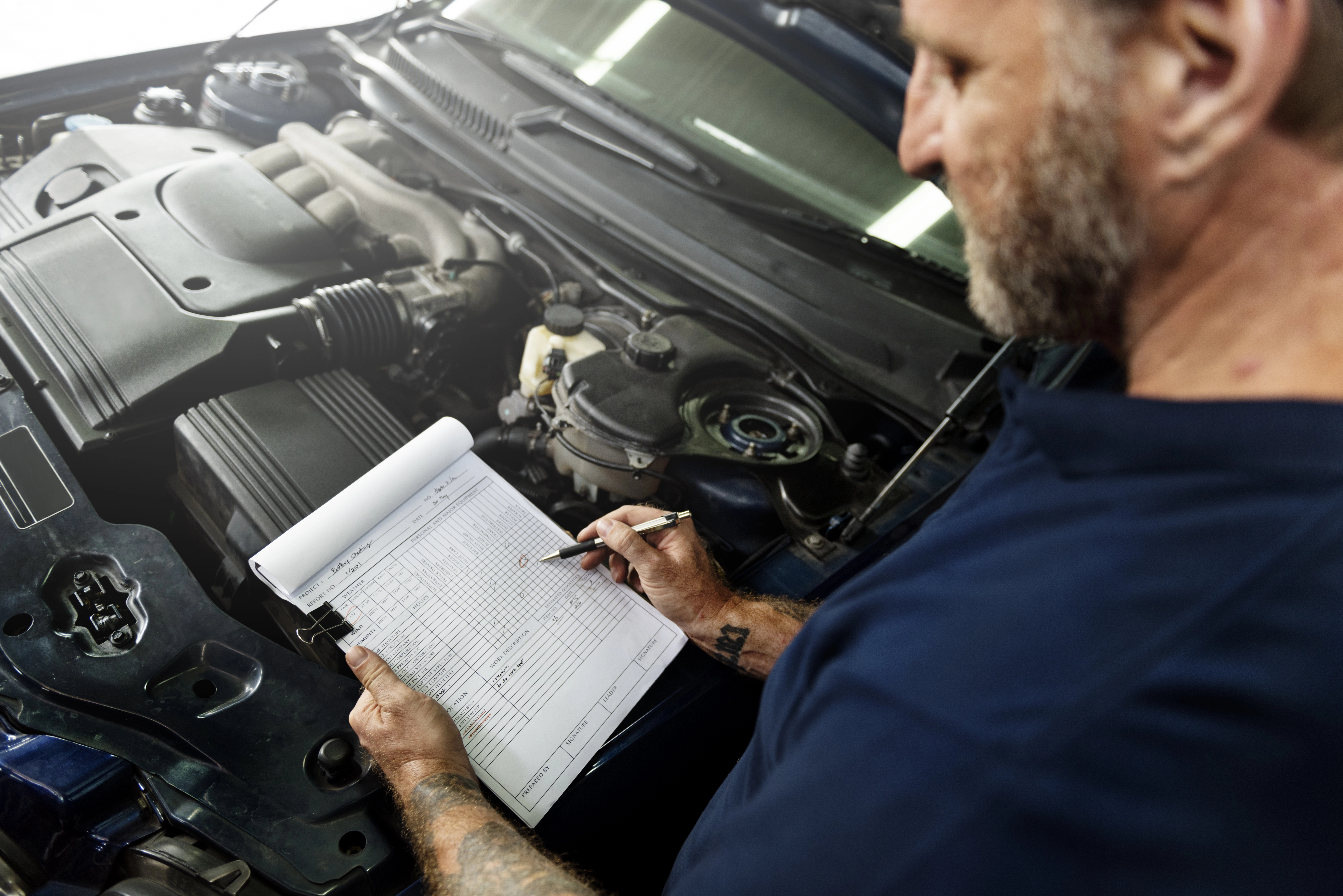
Before making your final decision, don't skip the test drive — ever. Make sure you've identified the exact vehicle you want to own and drive it before you commit. And it's worth paying your local mechanic to inspect the car before you sign anything. Yes, it costs a little upfront, but it's a whole lot better than buying a lemon and regretting it the moment you pull out of the lot.
At the end of the day, buying a used car is about finding the right fit for you — not just the cheapest option. Do your homework, take your time, and don't be afraid to spend a little more for the right car. Trust me, it's worth it.
Happy car hunting!
Frequently Asked Questions
Should I buy a used car from a dealership or a private seller?
Buying from a dealership gives you more protection — warranties, certified pre-owned options, and access to vehicle history reports. Private sellers might offer lower prices, but you'll have less security if something goes wrong after the sale. Either way, never rely on verbal assurances from any seller — get everything that matters in writing.
What's the difference between Certified Pre-Owned and Used?
Certified Pre-Owned vehicles go through rigorous manufacturer inspections and come with factory-backed warranties. Regular used vehicles don't have the same level of inspection or warranty coverage, but they're usually cheaper. The right choice depends on your budget and how much peace of mind matters to you.
How do I know if a used car's price is fair?
Research the car's make, model, year, and mileage on sites like Kelley Blue Book or Edmunds to find its fair market value. Compare prices across multiple dealerships to get a feel for where the market sits before you negotiate anything.
Can I negotiate the price of a used car?
Yes, but keep your expectations realistic. Prices are tighter today due to online competition and market transparency, so there may be less room for deep discounts than there used to be. Coming in informed is your best leverage.
What should I look for during a test drive?
Pay attention to how the car handles, brakes, and accelerates — and listen for any unusual sounds. Test it on different road types to see how it performs in various driving conditions. If something feels off, trust your gut. And remember — there is no cooling off period once you sign, so the test drive is your last chance to be sure.
Is it worth paying more for a Certified Pre-Owned vehicle?
If peace of mind is important to you, yes. CPO vehicles come with warranties, extensive inspections, and often perks like roadside assistance or better financing rates. For a daily driver you plan to keep long-term, the extra cost is usually worth it.
What is the Buyer's Guide, and why is it important?
The Buyer's Guide is a document required by law to be displayed on every used car at a dealership. It tells you whether the vehicle is sold AS IS or with a warranty, and details exactly what's covered. Always review it before you sign anything — and don't accept verbal explanations as a substitute for what's written on the form.
How do I check a vehicle's history?
Request a vehicle history report from services like Carfax or AutoCheck. These reports show maintenance history, accident records, and previous ownership. Always cross-check the VIN on the report against the actual VIN on the car to make sure they match — the same way you'd verify a VIN before committing to any price quote on a specific unit.
Should I get a used car inspected by a mechanic?
Absolutely — even if the vehicle comes with a clean history report. A mechanic can spot potential problems that don't show up on paper or during a test drive. It's a small cost that can save you from a very expensive mistake.
How do I know if I'm getting a good deal on a used car?
A good deal is about more than just price. Compare prices, review the vehicle history report, check for warranties, and take the car for a test drive. Quality, reliability, and condition matter just as much as the number on the sticker. Start by finding the right vehicle — then work the price from there.